Add Row
Add Element
cropper
update
ESG Builders
update
Add Element
  • Home
  • Categories
    • Basement Waterproofing & Flood Prevention
    • Optimized Layouts for Small Space
    • Lighting & Insulation Upgrades
    • Before & After Renovation Showcases
    • Smart Storage & Organization
    • Legal & Zoning Considerations
    • Product Reviews & DIY Recommendations
    • Basement Conversion Ideas
April 30.2025
3 Minutes Read

Essential Guide to Legal and Zoning Considerations for Basement Renovation in Brooklyn

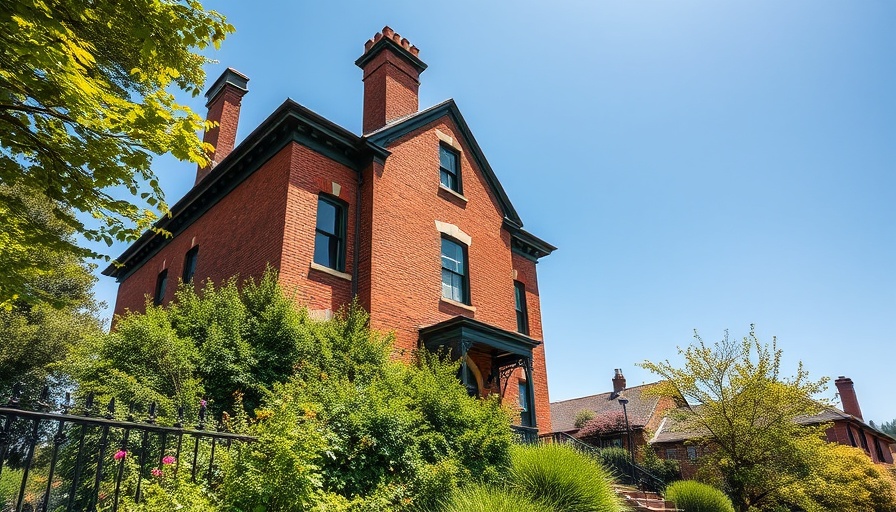
Elevated brick house with staircase amidst greenery, legal and zoning considerations.

Revamping Brooklyn Basements: Navigating Permits and Regulations

Renovating basements in Brooklyn is not just about aesthetics; it's a complex process involving a multitude of legal and zoning considerations. As urban living spaces grow increasingly important in a city as vibrant yet densely populated as Brooklyn, understanding the nuances of basement renovations becomes essential for homeowners.

The Vital Role of Permits in Basement Transformations

The first step in any renovation journey is recognizing the significance of obtaining the appropriate permits. Permits can be seen as your blueprint for compliance—ensuring that renovations not only enhance your living space but also align with safety and zoning standards set forth by local authorities. Without the proper licenses, homeowners risk incurring fines, necessitating the reversal of any unauthorized work, and jeopardizing the value of their properties.

An approved renovation can translate into a significant increase in property market value, enticing future buyers and portraying a commitment to maintaining a well-managed home and community. Thus, understanding the importance of permits is crucial not only for short-term project success but for long-term investment protection.

Types of Permits You May Need

In the borough of Brooklyn, several permits could be essential depending on the scope of your project. Common permit types include:

  • Building Permits: Typically required for major renovations, ensuring compliance with local building codes.
  • Plumbing Permits: Needed when making modifications to plumbing systems or installing new fixtures.
  • Electrical Permits: Required for electrical installations that affect existing systems.

If you’re considering converting your basement into a separate dwelling unit, you might also need an Accessory Dwelling Unit (ADU) permit. This comes with its own set of zoning regulations, particularly crucial given Brooklyn’s complex housing landscape.

Navigating Brooklyn’s Unique Zoning Laws

Zoning regulations vary between New York City boroughs, each governed by the Department of Buildings. Understanding Brooklyn's specific requirements can be challenging but is essential for a successful renovation. Engaging with local zoning maps and understanding residential classifications will inform how you can utilize your basement effectively.

Additionally, many residential zones in Brooklyn have restrictions that dictate the types of alterations permissible, the amount of livable space within a basement, and other critical factors affecting functionality and safety.

Structured Guidance to Ensure Compliance

Before you start tearing down walls or installing new fixtures, it’s advisable to create a structured plan. Consider hiring licensed professionals familiar with local building regulations. Their expertise can guide you through the application processes, ensure documentation is correctly completed, and advocate on your behalf at the Department of Buildings if needed. Submitting a complete application can prevent unnecessary delays and complications during your renovation.

Post-Renovation Considerations

Once the renovation is complete, proper inspections are often required to ensure compliance with all relevant building codes. These inspections can vary based on the extent of your work, but they serve as a critical confirmation that your renovation meets the baseline safety standards required by local laws.

Making Informed Decisions During Your Renovation Journey

The renovation landscape in Brooklyn is rich with opportunity but fraught with challenges. Homeowners must take a proactive approach to understand their responsibilities and obligations when engaging in renovations. By obtaining the proper permits and adhering to local regulations, you not only ensure the safety and legality of your space but also enhance the value of your property for years to come.

In fostering a commitment to compliance, future homeowners will recognize your care for the community and its standards, offering solid returns on investment in the long run.

Start your basement transformation today with a deep understanding of your legal and zoning responsibilities, and elevate both your home and quality of living in Brooklyn!

Legal & Zoning Considerations

1 Views

0 Comments

Write A Comment

*
*
Related Posts All Posts
11.12.2025

Homeowner's Guide to Basement Regulations in Brooklyn

Update Understanding Basement Regulations for Brooklyn Homeowners For homeowners in Brooklyn, understanding basement regulations is not just a legal necessity but a foundation for ensuring the safety and comfort of their living spaces. These regulations are designed to protect both the structural integrity of homes and the health of their occupants, highlighting the critical need for compliance as the real estate landscape continues to evolve. The Role and Importance of Inspectors Inspectors serve as the vanguard of safety in Brooklyn's homes, tirelessly ensuring adherence to the established regulations. Their responsibilities extend from the technical evaluation of structural soundness to advising homeowners about potential risks and necessary enhancements. For instance, during a standard inspection, they assess critical components such as: Structural Stability: Inspectors verify that basements can withstand modifications without compromising the building’s integrity. Moisture Control: They identify sources of dampness or flooding that could jeopardize the living environment. Ventilation Systems: Adequate airflow is crucial for preventing mold and ensuring overall health. Electrical Wiring: Safety protocols regarding electrical installations are strictly enforced to mitigate fire hazards. Emergency Egress: Ensuring that there are proper exits for safety during emergencies is paramount. Common Modifications and Associated Regulations Basement modifications vary widely, embracing everything from small-scale renovations to expansive living spaces. However, each type of modification is subject to specific regulations: Converting Spaces: Transforming your basement into a livable area or rental unit requires approval for egress windows for safe exits. Bathroom Installation: Adding a bathroom necessitates compliance with plumbing regulations which manage water flow and waste disposal. Electrical Updates: Upgrading electrical systems must align with safety standards to prevent outdoor sources from impacting indoor wiring. While these initiatives can enhance the functionality of basements, they must be traversed carefully to avoid hefty fines and forced renovations. Legal and Zoning Considerations Understanding the legal landscape surrounding basement modifications is essential for homeowners. As home renovations take a center stage in Brooklyn’s real estate market, it’s increasingly important to navigate zoning laws effectively. Many neighborhoods have different zoning regulations that dictate what types of modifications are permissible. For example: Zoning Codes: Determine whether basements can legally be converted into livable spaces based on neighborhood classifications. Permits: Required permits must be obtained prior to commencing major renovations, preventing legal repercussions down the line. Homeowners who understand and engage with these legal frameworks can not only streamline their renovation processes but also protect their investments. Future Outlook for Basement Regulations in Brooklyn The future of basement regulations in Brooklyn seems poised for evolution as housing demands rise. Experts suggest that homeowners should brace for more stringent compliance checks and modifications in response to urban development trends. As more residents seek to maximize their living spaces, the imperative for clear, standardized regulations becomes ever more pressing. Final Thoughts on Basement Safety For homeowners in Brooklyn, compliant and safe basements are achievable with a solid understanding of the existing regulations and a close partnership with inspectors. As more residents undertake renovations, awareness of legal requirements can be the difference between a successful transformation and a costly penalty. Engaging in home improvements is inherently rewarding but comes with unique challenges that necessitate a proactive approach. Embracing this knowledge not only enhances safety and legality but fortifies the overall value of your property. If you’re contemplating a basement project, consider consulting with professionals to navigate these complexities.

11.11.2025

Why Basement Compliance Is Essential for Brooklyn Homeowners: Key Insights

Update The Critical Role of Inspectors in Brooklyn's Basement Safety Inspectors play a fundamental role in ensuring that basement renovations comply with local building codes and safety regulations. In Brooklyn, where many older buildings possess historical significance, inspectors are tasked with evaluating their structural integrity against modern standards. Compliance is not just necessary for legal reasons but also crucial for preserving the safety of residences and their inhabitants. Understanding the Why Behind Basement Compliance The inspection process addresses more than just aesthetics; it touches on the long-term sustainability and livability of homes. With many basements converted into usable living spaces, inadequate attention to compliance can result in significant health risks due to issues like mold growth, insufficient ventilation, and structural instability. These risks are amplified in urban settings like Brooklyn, where space constraints lead to creative yet sometimes risky modifications. Key Elements of Basement Compliance: A Detailed Breakdown Key elements to achieve compliance include proper egress, ventilation, waterproofing, and structural integrity. For instance, egress requirements ensure that there's a means of escape in case of an emergency. Inspectors check for windows or doors that allow easy access to the outside, which is particularly vital in basement apartments. Additionally, effective ventilation systems mitigate moisture problems, a common issue in older structures that, if left unchecked, can elevate mold levels and compromise air quality. Local Regulations: What Homeowners Must Know Homeowners should familiarize themselves with specific legal and zoning requirements for basement renovations. Local Law 49 of 2019 outlines the need for permits when converting basements into habitable spaces. Engaging a licensed professional to oversee inspections and renovations can save homeowners from the perils of non-compliance, which may include fines or costly remediation efforts. Consequences of Non-Compliance: Why It Pays to Be Proactive Understanding potential violations can prevent unwelcome surprises during property transactions. Non-compliance with basement regulations can result in fines that range from minor fees to severe financial penalties and legal troubles. For example, a Class 1 violation could stem from unpermitted work or unsafe structures, potentially leading to stop-work orders or litigation. Homeowners building or converting basements without obtaining proper permits risk being subject to penalties that far exceed the costs associated with compliance. Practical Steps to Ensure Your Basement is Up to Code To proactively ensure your basement adheres to code, consider the following steps: Seek immediate inspection and consult professionals for any required renovation plans. Always verify the requirement for a permit before starting any work, especially if it involves structural changes. Consider hiring experienced contractors who are well-versed in NYC basement regulations. Use licensed professionals for specific jobs like plumbing and electrical work to ensure everything is performed correctly. Taking these steps can streamline the process and eliminate potential headaches in the future. Your Home’s Future Depends on Compliance In summary, ensuring compliance not only protects your investment but also safeguards the occupants' health. By understanding the intricacies of basement regulations in Brooklyn and utilizing qualified professionals, homeowners can avoid pitfalls and enhance their properties effectively. Don't leave the safety and value of your home to chance—schedule an inspection today and facilitate a smooth transition to a compliant living space.

11.10.2025

Navigate Brooklyn's Basement Inspection Process to Ensure Safety and Compliance

Update Understanding Brooklyn's Basement Inspection Landscape As the real estate market in Brooklyn becomes increasingly competitive, the need for safe and legally compliant living spaces has never been more critical. The basement inspection process is a vital aspect of ensuring these spaces, often overlooked, do not harbor hidden dangers that could jeopardize the safety of residents. With varying historical architectures and unique regulations in Brooklyn, homeowners must grasp the essential nuances of the inspection process to secure their investments. The Legal Framework Surrounding Basement Inspections In Brooklyn, the Department of Buildings (DOB) is responsible for enforcing safety regulations concerning basements. Homeowners must submit self-certification forms upon completing renovations. However, knowing the difference between major repairs— which typically warrant a formal inspection— and minor punctual checks could save homeowners both time and trouble. Understanding these distinctions allows property owners to adequately prepare and maintain compliance with the law. Why Regular Inspections are Non-Negotiable The frequent inspections of basements serve the dual purpose of mitigating structural threats and ensuring compliance with local laws. Especially prevalent in older buildings, signs of water damage or deterioration may emerge without proper oversight. Regular inspections can preempt severe issues and confer vital peace of mind regarding safety, directly influencing home value. Ignoring these inspections can lead to legal penalties and fines, dragging homeowners into legal disputes. Hiring Licensed Inspectors: Your Best Bet Against Future Headaches Hiring a licensed inspector is a fundamental step in navigating Brooklyn's intricate zoning and building codes. These professionals possess the expertise to identify compliance issues that could otherwise remain undetected. Their inspection not only serves as an official check but also provides a detailed report that can benefit homeowners during renovations or eventual sales. Issues like inadequate drainage or improper ventilation often require expert eyes for identification. Common Misconceptions Surrounding Basement Legalizations One significant misconception is that any basement can be converted into habitable spaces without formal procedures. However, zoning regulations specifically determine what modifications are permissible, emphasizing the need for insight into local laws. Familiarizing oneself with these regulations can save homeowners from costly fines or mandatory restorations of unauthorized alterations. Misunderstanding these boundaries can lead not only to financial repercussions but also to safety hazards. The Future of Basement Spaces in Brooklyn As urban living options continue to dwindle, the role of basement spaces as potential rental units is set to become more prominent. The city's ongoing housing crisis underscores the urgency to explore constructions that convert basement spaces into viable living conditions, prompting future legislative discussions that may facilitate compliance. With initiatives aimed at promoting legal basement living, homeowners with the foresight to navigate these regulations may significantly enhance their property value. Practical Insights for Homeowners For those considering basement renovations, starting well-informed is paramount. Guidance from zoning experts or real estate attorneys can lay the groundwork for adherence to local regulations. Homeowners should be diligent, obtaining necessary building permits, engaging licensed contractors, and ensuring all work aligns with local codes. Documenting all renovations can safeguard your investment against future conflicts. Conclusion: The Imperative of Compliance Compliance in Brooklyn's basement regulations is not merely an administrative requirement but a critical aspect of homeowner responsibility. Keeping updated with local regulations enables property owners to transform their neglected spaces into profitable and safe living areas. The road may be filled with complex legalities, but with the right information and proactive measures, basements can become a substantial asset boding well for Brooklyn's evolving urban landscape.

Terms of Service

Privacy Policy

Core Modal Title

Sorry, no results found

You Might Find These Articles Interesting

T
Please Check Your Email
We Will Be Following Up Shortly
*
*
*