Add Row
Add Element
cropper
update
ESG Builders
update
Add Element
  • Home
  • Categories
    • Basement Waterproofing & Flood Prevention
    • Optimized Layouts for Small Space
    • Lighting & Insulation Upgrades
    • Before & After Renovation Showcases
    • Smart Storage & Organization
    • Legal & Zoning Considerations
    • Product Reviews & DIY Recommendations
    • Basement Conversion Ideas
October 23.2025
3 Minutes Read

Illuminate Your Space: Easy Steps for Installing LED Strip Lights in Your Brooklyn Basement

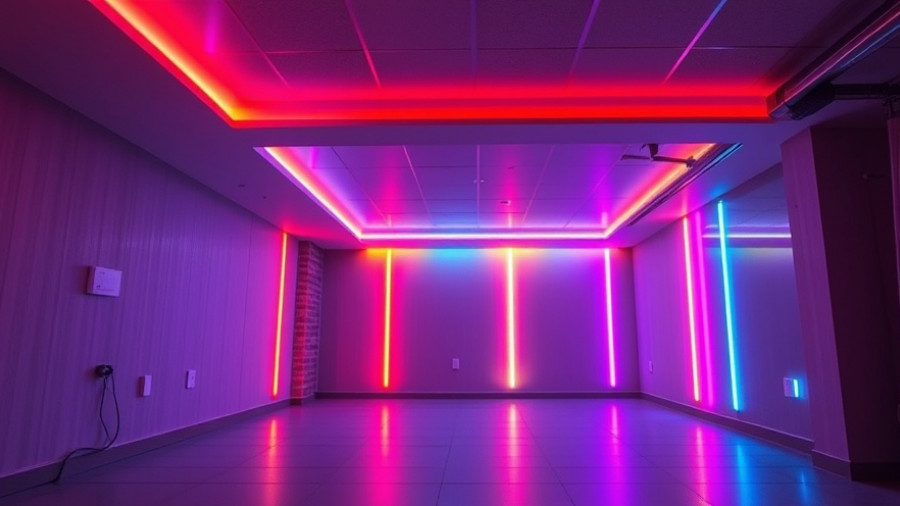
Installing LED Strip Lights in Your Basement for vibrant lighting

Transform Your Dark Brooklyn Basement with LED Strip Lights

Are you tired of your dingy, underutilized basement? Transforming this space into a lively and inviting area can be easier than you think. With the enormous popularity of LED strip lights, homeowners can elevate their basements from dreary to dynamic without a costly overhaul. This article will guide you through the essential steps to install LED strip lights, ensuring your basement is not only well-lit but also stylish and energy-efficient.

Understanding the Versatile World of LED Strip Lights

LED strip lights are flexible circuit boards embedded with LED lights, making them an ideal choice for creating ambiance in any room, especially basements. They come in various lengths and colors, providing homeowners with the flexibility to customize their spaces. Their slim and unobtrusive design allows them to fit in tight spaces, making them perfect for those tricky basement corners or low ceilings.

One of the key advantages of LED strip lights is their energy efficiency. Compared to traditional lighting, LEDs consume significantly less electricity, which translates to lower energy bills. Furthermore, modern LED lights come with additional features like dimming, color-changing capabilities, and smart app control. This flexibility empowers you to easily shift the mood of your basement from a cozy movie night setting to an energetic workout space with just a few taps on your smartphone.

Gathering Your Tools: Essential Materials for Installation

Before you start your installation journey, having the right tools and materials is crucial. Begin by plotting out a detailed layout of your basement to determine ideal lighting placements. Common tools required include a measuring tape, scissors, utility knife, level, and mounting clips or adhesive tape. You’ll also need LED strip lights, a power supply, and connectors.

For beginners, starter kits available at local DIY stores or online are an excellent choice. These kits often include most necessary components and come with step-by-step instructions to help make the process smoother.

Planning and Preparing Your Space: Key Measurements and Considerations

Effective installation starts with careful measurement. Begin by measuring the areas you want to illuminate while avoiding obstacles such as windows and doorways. If your basement has an unusual shape, sketching a plan can be immensely helpful for visualizing your layout.

Furthermore, don't overlook the significance of power socket locations. To ensure convenience during use, strategically position your LED lights near accessible outlets. Additionally, consider light color temperature: warmer tones can create coziness while cooler tones can energize the space. Once you finalize your measurements and preferences, you’ll be prepared to purchase the right materials.

Installation Steps: How to Light Up Your Basement

With all tools and materials ready, it’s time to dive into the installation process. Start by cleaning the area where you’ll attach the LED strip to ensure proper adhesion. Using adhesive tape or mounting clips, carefully position the strips along the selected areas. If necessary, cut the strips to achieve the desired length, making sure to follow manufacturer guidelines to ensure they remain functional.

Next, connect the strips to the power supply, and make sure everything is securely in place before switching on the power. If your strips are smart-enabled, follow the provided instructions to pair them with your smartphone app. With everything in place, turn on your new lighting and observe your basement transform into a vibrant space!

Maintenance and Longevity: Keeping Your LED Lighting Bright

To ensure your LED strips last as long as possible, perform routine maintenance. Dust the lights regularly and check for any loose connections. LEDs are designed for efficiency and longevity, but a little TLC goes a long way in maintaining their brilliance. Typically, LED strip lights have a lifespan of up to 25,000 hours, meaning you can enjoy your revamped basement for years without worrying about replacing bulbs constantly.

Conclusion: Brightening Up Your Living Space

Installing LED strip lights in your Brooklyn basement is not just an enhancement in lighting; it's an investment in creating a functional and inviting space. From planning and installation to ongoing maintenance, this transformative project can significantly uplift your home’s ambiance. If you’re looking to bring life to your basement, LED strip lights are the path to take.

Ready to tackle your basement transformation? Grab your tools, get started on your installation, and watch as your once-forgotten space comes to life with warmth and vibrancy!

Lighting & Insulation Upgrades

12 Views

0 Comments

Write A Comment

*
*
Related Posts All Posts
11.08.2025

Unlocking Peace: Expert Tips to Soundproof Your Brooklyn Basement

Update Transform Your Brooklyn Basement into a Peaceful Sanctuary Living in Brooklyn offers the vibrancy of city life, but it also comes with the challenge of noise pollution. For homeowners looking to create a tranquil space away from distractions, soundproofing your basement can work wonders. Not only does it enhance comfort, but it also adds significant value to your property. Understanding Sound in Urban Environments Before diving into soundproofing techniques, it’s essential to understand how sound travels. Sound waves move through air and solid materials, making the choice of materials crucial in minimizing noise transmission. There are two primary types of sound to consider: airborne sounds, like voices and music, and impact noises from footsteps and vibrations. Knowing these differences can help you select effective soundproofing solutions tailored to your needs. The Benefits of Soundproofing Your Basement Many Brooklyn residents find themselves vying for peace within their homes. A well-soundproofed basement offers a sanctuary where you can work, unwind, or entertain friends without interruptions from the bustling streets above. Additionally, as the demand for comfortable, multi-functional living spaces grows, the value of a soundproofed basement increases in the competitive Brooklyn real estate market. Choosing the Right Materials for Maximum Effectiveness When planning your soundproofing project, selecting the right materials is paramount. Consider these options for effective soundproofing: Mass-Loaded Vinyl (MLV): This heavy, flexible material effectively blocks airborne sound when used to wrap walls and ceilings. Acoustic Foam Panels: These panels absorb sound waves and reduce echoes, making them ideal for media rooms or home offices. Soundproof Drywall: Thicker and denser than traditional drywall, its additional layers effectively diminish sound transmission. Insulation: Using fiberglass or spray foam insulation in wall cavities can significantly curb noise transfer while improving energy efficiency. Practical DIY Soundproofing Techniques If you’re looking to tackle soundproofing on your own, several DIY techniques can be effective: Seal All Gaps: Use acoustical caulk to seal cracks and seams around drywall, windows, and doors, preventing sound from leaking through. Add Layers: Install a second layer of drywall secured with soundproofing glue to create a denser barrier against noise. Acoustic Ceiling Tiles: These can absorb sound and reduce echoes effectively, especially in lower-ceiling basements. Employ Floating Floors: This involves installing your flooring over sound-absorbing material, minimizing sound transmission through concrete. Exploring Professional Help vs. DIY Deciding on DIY soundproofing versus hiring a professional depends on your comfort level and the specifics of your basement. If you are confident in your handy skills and tackle smaller projects, DIY can save you money. However, for more complex challenges or if it includes significant structural adjustments, seeking a professional’s expertise can ensure your soundproofing is effective and up to code. Creating a Comfortable and Cozy Environment Beyond just blocking noise, enhancing the overall ambiance of your basement is key. Warm lighting, comfortable furnishings, and clever storage solutions can transform your space into a cozy retreat. Adding insulation upgrades can also help maintain a pleasant temperature year-round, making it an attractive space for all occasions. Final Thoughts and Next Steps Investing in soundproofing your Brooklyn basement is not just a nice-to-have; it’s a practical enhancement that improves your living conditions and adds economic value to your property. Begin by assessing your soundproofing needs today. With the right plan, materials, and techniques, you can create a peaceful sanctuary in your home. Don't wait—transform your basement into a functional and serene space!

11.07.2025

Explore Essential Steps to Soundproof Your Brooklyn Basement

Update The Need for Soundproofing in BrooklynLiving in vibrant Brooklyn brings with it the energy of city life, but it also introduces a fair share of noise pollution. For many homeowners, basements propose a perfect retreat—a place to work, relax, or socialize away from the lavish urban intensity. However, creating a peaceful environment in these spaces often proves challenging due to sound disturbances. With strategic soundproofing, a basement can transform from a noisy storage area into a serene haven, effectively enhancing both comfort and property value.Why Soundproofing MattersThe importance of soundproofing should not be underestimated. Imagine having an effective home office where discussions flow without interruption or a cozy media room separate from outside distractions. By investing in soundproofing your Brooklyn basement, residents not only improve their quality of life but also significantly boost their property’s market appeal. In a competitive real estate market, potential buyers increasingly look for comfortable, multi-functional living spaces that signal warmth and privacy.Selecting Essential Soundproofing MaterialsBefore you commence soundproofing your basement, it's crucial to equip yourself with the right materials. Here are some key options:Soundproofing Drywall: Unlike traditional drywall, soundproofing drywall is denser, constructed specifically to absorb sound and reduce noise transfer.Acoustic Panels: Useful in reducing echoes, these panels can be installed on walls and ceilings, transforming the acoustics within.Mass-Loaded Vinyl: This dense material serves to block sound effectively and can be applied directly to walls and ceilings for optimal results.Soundproofing Foam: Ideal for corners and wall surfaces, foam absorbs sound and is lightweight, making installation easy.Evaluating Noise SourcesBefore diving into installation, assessing the noise sources in your basement is crucial. Are the sounds primarily airborne, such as conversations or music? Or do impact noises, like footsteps from upstairs, disturb your tranquility? Identifying these sources will guide you in selecting the most effective soundproofing methods. Take the time to create a comprehensive plan that outlines where sound disturbances are most prevalent in your basement.Soundproofing Techniques to ImplementOnce you have your materials and plan in place, consider employing these techniques:Apply Acoustical Caulk: Use this specialized sealant around edges, cracks, and seams of drywall to create airtight seals and reduce noise transfer.Double Layer Drywall: Adding a second layer of drywall with soundproofing glue can increase the density and efficacy of your walls against noise.Insulated Walls: Installing insulation within wall cavities or using soundproofing foam can capture sound waves and dampen their travel.Installing Resilient Channels: This technique involves attaching channels to the wall studs before installing drywall, creating a separation that minimizes sound transmission.Floor and Ceiling ConsiderationsWhile walls are critical, don’t neglect the floors and ceilings of your basement:Underlayment: Consider soundproofing underlayment for any flooring. Options include rubber or acoustic mats to directly absorb sound vibrations.Acoustic Ceiling Tiles: Installing these tiles can absorb noise and provide additional sound control.Floating Floors: Creating a floating floor structure—where the floor is installed over a sound-absorbing layer—can significantly reduce impact noises.Creating Comfort in Your Basement SanctuarySoundproofing is just one step; creating an inviting space is equally important. Use warm colors, comfortable furniture, and pleasing lighting to enhance your basement’s atmosphere further. Add insulation and effective HVAC devices to maintain temperature control, making your freshly soundproofed basement a delightful refuge.Conclusion: The Value of SoundproofingIn summary, soundproofing your Brooklyn basement is a worthy investment that leads to improved living conditions and elevated home value. By following the steps outlined in this article—from selecting the right materials to employing effective soundproofing methods—homeowners can transform their basements into serene escapes from the hustle of city life. Take the leap today to ensure that your basement is not only functional but also a true sanctuary you can enjoy!

11.06.2025

Transform Your Brooklyn Basement Into a Soundproof Sanctuary: Essential Techniques

Update Understanding the Soundscape of Your Brooklyn Home Living in Brooklyn, the hustle and bustle of city life can often translate into unwanted noise infiltrating your peaceful spaces. This is especially true for the basement, which can become a refuge if soundproofed correctly. Understanding the nuances of sound—how it travels through materials such as drywall and concrete—holds the key to transforming your basement into a tranquil retreat. Sound transmission, characterized by three primary mechanisms: airborne, impact, and structure-borne, impacts how we perceive noise in our homes. By identifying these elements, you can take informed steps towards effective soundproofing. Essential Materials for Soundproofing Your Basement Ceilings Selecting the right materials is crucial in the quest for a quiet home. Popular options include mass-loaded vinyl (MLV), acoustic panels, and specialized soundproof drywall. MLV is noteworthy for its density and flexibility and is highly effective when installed directly to ceilings. Acoustic panels help reduce echo and reverberation, facilitating a more serene environment. Don't forget to incorporate insulation; using materials such as fiberglass or foam between ceiling joists can significantly curb noise transmission. The most efficient soundproofing strategy is the combination of multiple approaches for maximum effect. Installation Techniques: Getting it Right Equipping your basement with soundproofing materials is just as important as the materials themselves. Techniques such as the “decoupling” method, which employs resilient channels or sound isolation clips to suspend ceilings from joists, can help create barriers against sound transmission. Effective sealing and ensuring airtightness around gaps and joints using acoustic caulk can further enhance your soundproofing endeavors. You'll also want to consider adding multiple layers to your ceilings, which can act as an effective buffer against noise. Beyond Soundproofing: Other Considerations for a Cozy Basement Transforming your basement isn't solely about blocking sound; it's about creating a warm, inviting atmosphere. Investing in the right lighting and insulation upgrades can enhance ambiance while keeping your energy bills in check. Integrating color, texture, and comfortable furnishings can also elevate the space to a cozy escape, perfect for relaxation, work, or family entertainment. Making Smart Choices—Why Soundproofing Matters A well-soundproofed basement isn’t just a sanctuary; it’s an investment. Home buyers are increasingly looking for properties that offer privacy and comfort. By taking steps to soundproof your basement, you not only increase your living comfort but also boost your property’s value, positioning your home competitively in the Brooklyn housing market. As demand for multi-functional spaces rises, the significance of a soundproof basement will only increase. Final Thoughts: Your Next Steps Embarking on the soundproofing journey can seem daunting, but the results are well worth the effort. Evaluate your current basement space and determine your soundproofing needs. Whether you choose to tackle the project yourself or hire professionals, take the initiative now to create the peaceful living space you deserve. Ready to dive into soundproofing and renovations? Explore your options today and discover the transformative power of a well-designed space!

Terms of Service

Privacy Policy

Core Modal Title

Sorry, no results found

You Might Find These Articles Interesting

T
Please Check Your Email
We Will Be Following Up Shortly
*
*
*